
What Shapes Property Survey Cost for Older Homes and Established Fences
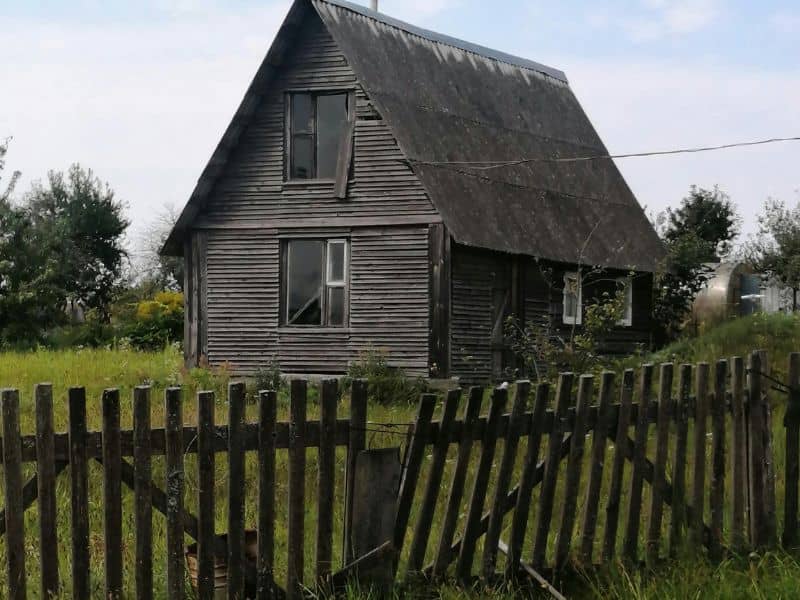
Two houses on the same street can get very different survey quotes. One might be a newer build with fresh corner pins and a recent plat. The other might be a decades-old home with a chain-link fence, thick hedges, and a deed that hasn’t changed in generations.
That second house almost always takes more work, and property survey cost reflects that work. Most of the extra time goes into records research, hunting for old markers, and measuring around fences and trees. Knowing what drives the price helps you read a quote, compare surveyors fairly, and prepare in ways that save time.
How Older Property Records Affect Survey Research Time
Research is often the biggest hidden part of the job. Before fieldwork, the surveyor gathers the deed, the recorded plat, and nearby surveys to understand where the lines should fall. On a newer lot, that might take an hour or two. On an older lot, it can take much longer.
Older records tend to be harder to work with. Some are handwritten, some use outdated measurements, and some describe corners using landmarks that disappeared long ago. The surveyor may also need to trace the property back through several owners to find the most reliable description.
Neighboring parcels add to the work. If an adjoining deed overlaps yours or leaves a gap, the surveyor has to study both to understand the conflict. That research shows up in the quote, even though you never see it happening.
Locating Original Boundary Monuments on Established Residential Lots
Boundary monuments are the physical markers at property corners, usually iron rods, pipes, or concrete posts. On established lots, many were set decades ago. Some are still in place, while others have been buried, bent, or pulled out during construction.
Finding them takes time. Crews may use metal detectors, probe the ground, or dig carefully where the records say a corner should be. A marker under a driveway edge or a flower bed can take far longer to recover than one sitting in open grass.
When an original marker is missing, the surveyor rebuilds its position from other evidence. That can mean measuring to markers on nearby lots or checking old fence lines and building corners against the records. This careful work protects the accuracy of your survey, but it adds both field and office hours.
Measuring Existing Fences Against Surveyed Property Boundaries
An established fence often marks where neighbors believe the line is. It doesn’t always match the actual boundary. A survey measures the fence against the surveyed line so you can see exactly where it sits.
On older lots, fences are often replaced more than once. Each new fence may drift a little from the last one, and over the years the difference can grow to a foot or more. The surveyor typically locates the fence at key points and shows those distances on the drawing.
Long or winding fences take more time to measure. So do fences that run through brush or behind sheds and garages. If your main concern is one side of the property, mention it when you ask for a quote and ask whether a narrower scope makes sense for your needs.
How Mature Landscaping and Site Obstructions Affect Fieldwork
Older neighborhoods often have big trees, thick hedges, and overgrown fence lines. These features look great, but they can block the lines of sight that survey instruments depend on. Crews may need to set extra points or work around obstacles, which adds time in the field.
GPS equipment can also struggle under heavy tree cover. When satellite signals are weak, crews switch to traditional instruments and measure from point to point. That method is accurate, but it’s slower on wooded or crowded lots.
A little prep goes a long way. Trim back brush near known corners, unlock gates, and move items stacked along the fence line. Let the surveyor know about dogs, sprinkler heads, or anything else the crew should watch for.
Understanding Additional Survey Work for Older Residential Properties
Some older properties need more than a basic boundary survey. Additions, detached garages, carports, and sheds built over the years may sit near or across a line. Locating each one adds detail to the drawing and can raise the price.
Issues found during the survey can also expand the job. An encroachment, a conflict with a neighbor’s deed, or an easement nobody mentioned may need extra research and notes. You may also want the surveyor to reset missing corner markers, which is often priced as a separate item.
Ask for a clear scope before work starts. A good quote lists what’s included, what’s extra, and what might trigger more work. Requirements can vary by lender, title company, municipality, and project scope, so if your survey is tied to a closing, permit, or fence project, request it early.
Frequently Asked Questions
Why can property surveys cost more for older homes?
Older homes often come with harder-to-read records, missing corner markers, and more structures near the lines. Each of these adds research or field time. Established fences and mature trees can slow measurements as well. Together, these factors can raise property survey cost compared with a newer lot.
Does an existing fence affect the cost of a property survey?
An existing fence can affect cost when it’s long, hard to reach, or far from the true line. The surveyor may need to measure it at several points and show those distances on the drawing. Fences that cross brush or sit behind buildings take extra time. A fence on an open, easy-to-reach lot usually adds less work.
Can missing boundary markers increase survey costs?
Yes, missing boundary markers can increase survey costs. The surveyor has to rebuild each corner from records and nearby evidence, which takes more time. Setting new markers is often priced as an added item. Ask your surveyor how missing corners might affect the quote before work begins.
How does mature landscaping affect land surveying work?
Mature trees, hedges, and overgrowth can block the lines of sight that survey instruments need. They can also weaken GPS signals, which pushes crews toward slower measuring methods. Crews may need to set extra points to work around obstacles. Clearing brush near corners before the visit helps keep fieldwork moving.
What information can homeowners provide to help estimate survey costs?
Homeowners can share their deed, any prior survey, the recorded plat, and the title policy if they have one. It helps to mention known corner markers, fence concerns, or past disagreements with neighbors. Tell the surveyor why you need the survey and whether a closing or permit date is involved. This information leads to a more accurate quote and fewer surprises later.