Planning for Boundary Survey Cost When a Fence, Shed, or Driveway Is Nearby
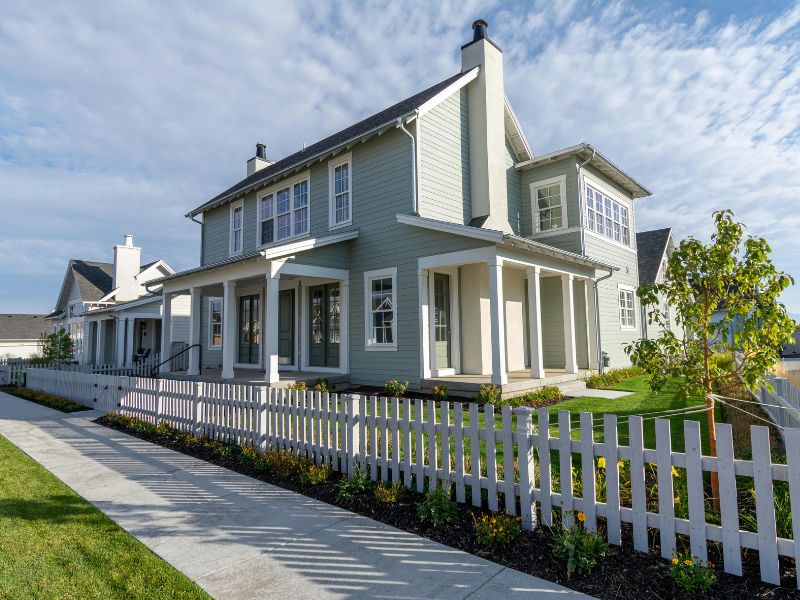
A fence a few feet off, a shed near the back line, or a driveway that seems to cross onto the neighbor’s lot. These small things can turn a simple boundary survey into a bigger job. If you are getting a quote for a boundary survey and something is built close to your property line, it pays to know how that affects cost before you get the bill.
A boundary survey locates the legal lines of a property and marks where they sit on the ground. It sounds simple, but nearby structures often add extra work. Fences, sheds, driveways, pools and retaining walls all need to be checked against the recorded property lines.
Knowing what drives boundary survey cost helps you set a realistic budget and avoid surprises. It also helps you have a smarter conversation with your surveyor from the start.
Why Nearby Improvements Can Affect Boundary Survey Cost
A boundary survey costs more when there is more ground to cover and more evidence to check. A fence, shed or driveway near a property line adds both.
Surveyors have to locate these features and compare them to the legal boundary. If a fence sits a foot or two off the true line, that gets flagged. If a shed appears to cross the line, that takes extra research and often extra time in the field.
College Station has a mix of older established neighborhoods and newer subdivisions built during recent growth. Older properties sometimes have fences or sheds placed years ago, before current owners moved in. Nobody may have checked those structures against the actual property line. That history can add time to the survey process, and time adds cost.
When Existing Improvements Need More Detailed Location Work
Not every fence or shed changes the survey. Structures that sit clearly inside a property, well away from any line, usually do not add much extra work. Problems come up when something sits close to a boundary or appears to cross it.
Detailed location work is often needed when:
- A fence line does not match the platted or recorded boundary
- A shed, deck or other structure sits within a few feet of the line
- A driveway or parking area appears to extend onto a neighboring lot
- Retaining walls or landscaping features sit near a shared boundary
- Older improvements have no clear record of when or how they were placed
In these cases, the surveyor has to do more than confirm the legal line. They also need to measure and document exactly where the structure sits in relation to that line. This extra step protects you, since it gives you a clear record if a boundary question ever comes up later.
How Record Uncertainty Can Expand the Survey Scope
Boundary surveys rely on recorded plats, deeds and prior survey markers. When those records are old, incomplete or inconsistent, the surveyor has to dig deeper. This can expand the scope of the work and raise the cost.
Some properties, especially older lots or those that were split or combined over the years, have recorded descriptions that do not line up cleanly with what exists on the ground today. A driveway or fence built decades ago may not match current records at all. When this happens, the surveyor may need to research historical deeds, check adjoining property records or locate old monuments to sort out where the true line falls.
This kind of research takes time. It is one reason two properties of similar size can have very different survey costs. A clean, well-documented lot with a simple layout goes faster. A lot with unclear records and unresolved boundary evidence takes more work to sort out correctly.
What to Share Before Requesting a Boundary Survey Quote
Giving your surveyor good information up front leads to a more accurate quote. It also helps them plan the site visit properly instead of finding surprises once they arrive.
Before you request a quote, gather and share:
- Any existing survey, plat or deed you have for the property
- Photos or a rough sketch showing fences, sheds, driveways or other structures near the property lines
- Notes on any known or suspected boundary disagreement with a neighbor
- The reason for the survey, such as a sale, a fence project, a new structure or a loan requirement
- Any deadline tied to closing, permitting or construction
The more your surveyor knows before the site visit, the more accurate your quote will be. Skipping this often means the estimate changes once the field crew gets a look at the property in person.
Budgeting for Follow-Up When a Potential Conflict Is Found
Sometimes a boundary survey turns up a real conflict. A fence sits two feet onto a neighbor’s lot. A shed foundation crosses the line. A driveway was built without anyone checking where the boundary actually falls.
When this happens, the survey itself is usually just the first step. Resolving the issue may involve a conversation with the neighbor, a written boundary agreement, or in some cases a legal review. It helps to budget for this possibility rather than assume the survey will be the only cost involved.
Ask your surveyor early whether anything in the initial research or site visit suggests a boundary conflict is likely. This will not always be knowable ahead of time, but a surveyor familiar with the area or the neighborhood can sometimes flag common issues before work begins. Planning for this possibility, even if it turns out unnecessary, keeps a small problem from becoming a budget surprise.
Frequently Asked Questions
Does a fence near the property line always raise the survey cost?
Not always, but it often adds some cost. If the fence is close to the line or its location is unclear, the surveyor needs extra time to check and document it. A fence well inside the property usually has little effect.
How much more does a boundary survey cost when a shed or driveway is involved?
This varies by property, location and how much extra research or field work is needed. Costs can differ by lot size, existing records and how many features need to be checked. Ask your surveyor for a specific estimate based on your property.
What happens if the survey shows my shed is on my neighbor’s land?
This depends on the situation and how far the structure crosses the line. Options can include a boundary line agreement, moving the structure or a legal review. A surveyor can explain what they found, but resolving it may involve your neighbor, a title company or an attorney.