
ALTA Survey Due Diligence for a Former Retail Site Preparing for a New Use
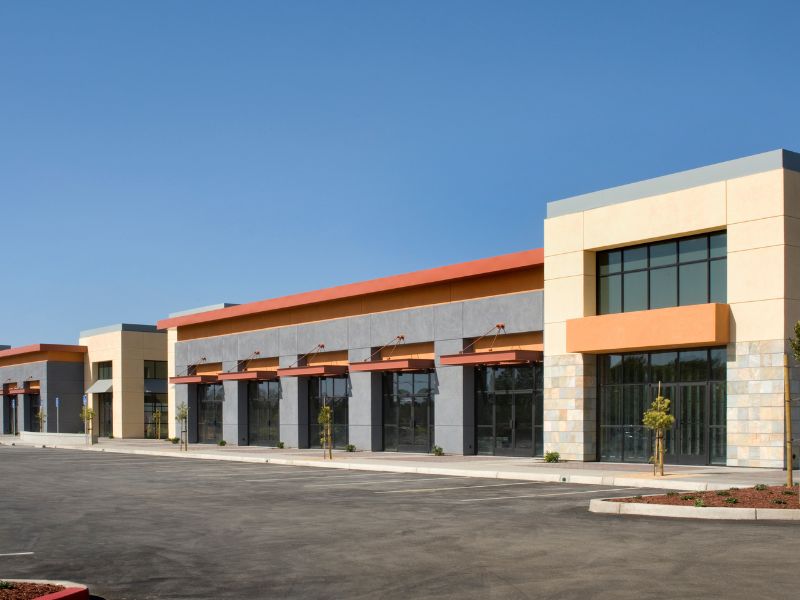
Empty storefronts often look like easy opportunities. The building is there, the parking lot is paved, and the site already has road access. Yet older retail properties tend to carry decades of easements, shared-access deals, and small encroachments that can quietly block a new plan.
An ALTA survey brings those issues into view before you close or commit to a design. It ties what’s on the ground to what’s in the title records, so buyers, developers, and lenders all work from the same facts. Order it early, read it closely, and let it shape your plan for the site.
Why Former Retail Properties Need ALTA Survey Due Diligence
An ALTA survey, formally called an ALTA/NSPS Land Title Survey, follows national standards set for commercial real estate deals. It shows boundaries, improvements, access, and recorded easements listed in the title commitment. Lenders and title companies often require one, though needs can vary by lender, title company, and project scope.
Former retail sites need this level of review because of their history. Shopping centers and strip retail were often built in phases, split into outparcels, and tied together with shared driveways and parking. Those arrangements are usually recorded in reciprocal easement agreements, often called REAs, and they may still bind the property today.
A new use can run straight into those old deals. A medical office, self-storage facility, or mixed-use project may need different parking, access, or building layouts than a store did. Finding the conflict before closing gives you room to negotiate, redesign, or walk away.
Reviewing Existing Improvements and Encroachments Before Redevelopment
The surveyor locates the buildings, canopies, walls, signs, fences, and other improvements on the property. Each one is tied to the boundary lines. That shows exactly what sits where and how close it is to setbacks, easements, and neighbors.
Encroachments are a common find on older retail sites. An encroachment is any feature that crosses a property line or extends into an easement where it shouldn’t be. Examples include a dumpster pad on a neighbor’s land, a sign base in the right-of-way, or a building overhang across an easement.
Small encroachments still matter during redevelopment. They can affect title coverage, lender approval, and what you’re allowed to rebuild. Ask your surveyor to clearly note each one so your attorney and title company can decide how to handle it.
Identifying Easements and Access Restrictions That Affect New Uses
An easement gives someone else a right to use part of your property for a set purpose. On retail sites, you’ll often see easements for utilities, drainage, signs, and shared access. The ALTA survey plots the recorded easements that can be located on the ground, based on the title commitment.
Seeing easements on a drawing changes how you plan. A utility easement may run right where you want a building addition. A cross-access easement may require you to keep a drive lane open for a neighbor’s customers.
Some limits don’t show up as lines on a map. REAs and deed restrictions can include rules on use, building height, or parking ratios. Your surveyor plots what’s plottable, but your attorney should read the full recorded documents to confirm what they allow.
Evaluating Parking Areas and Utility Features for Site Reconfiguration
Retail parking lots are often larger than a new use needs, or arranged in a way that doesn’t fit it. An ALTA survey can include a count of striped spaces, including accessible spaces, when that item is requested. That count gives your design team a clear starting point.
Utility information is just as useful. The survey can show visible utility features such as manholes, inlets, meters, poles, and valves. With added scope, it can also include underground lines based on utility marks and available plans.
Both items come from optional Table A selections in the ALTA standards. Talk with your lender, title company, and engineer about which items they need before the survey is ordered. Adding items later can delay your schedule.
Items Worth Discussing Up Front
- Parking space counts and striping
- Visible and marked underground utilities
- Zoning information supplied by the client or title company
- Building footprint, height, and square footage
- Flood zone designation
- Evidence of recent earth moving or construction
Using ALTA Survey Findings to Guide Redevelopment Decisions
The finished ALTA survey works as a decision tool. It shows what you can build on, what you need to keep open, and what may need cleanup before construction. Many buyers use it to adjust price, request seller fixes, or rethink the layout before closing.
Share the survey with your full team. Your attorney can review easements and title exceptions. Your engineer can use the improvements and utility data to plan site changes, and your architect can test the new use against the real building footprint.
Timing matters. ALTA surveys on large or complex retail sites can take several weeks, especially when title documents are slow to arrive. Order the survey as soon as you have a title commitment so it doesn’t hold up your closing or permit schedule.
Frequently Asked Questions
Why is an ALTA survey important when converting a former retail property to a new use?
An ALTA survey shows boundaries, improvements, and recorded easements in one drawing. Former retail sites often have shared access, parking deals, and utility easements that limit change. The survey helps you spot those limits before you commit to a design. Lenders and title companies may also require it to close the deal.
What existing property features can an ALTA survey document before redevelopment?
It can show buildings, parking lots, driveways, signs, fences, and walls. It can also locate visible utility features and tie each item to the property lines. Optional Table A items can add parking counts, building height, and underground utility marks. Your team should choose those items before the survey begins.
How can recorded easements affect plans to repurpose a former retail site?
Easements can block building additions, require open drive lanes, or protect utility corridors. Shared-access and parking agreements may still bind the site after the original store closes. Some recorded documents also limit use or building size. An attorney should review the full text to confirm what applies.
Can an ALTA survey help identify parking and access constraints?
Yes, it can. The survey shows driveways, curb cuts, and recorded access easements tied to the boundary. A parking space count can be added as an optional item. Together, these details help you see if the site’s layout fits your new use.
Does an ALTA survey confirm whether a proposed new property use is permitted?
No, an ALTA survey doesn’t approve or confirm a land use. Zoning and permits are decided by the local planning and building offices. The survey can include zoning information if someone provides it, but that isn’t a zoning opinion. Check with the local jurisdiction and your attorney before relying on any use.